Stream Macroinvertebrates as Biological Indicators in German Creeks
EPT taxa, the German saprobie system, and how bottom-dwelling invertebrate communities reflect organic load, oxygen levels, and habitat quality in flowing waters.
Freshwater Creek Ecology & Stream Monitoring
A reference on stream invertebrate biology, water chemistry field methods, and riparian habitat structure as applied within the German and EU regulatory framework.
Stream invertebrate communities — particularly EPT taxa (Ephemeroptera, Plecoptera, Trichoptera) — serve as established bioindicators under German and EU water quality assessment frameworks.
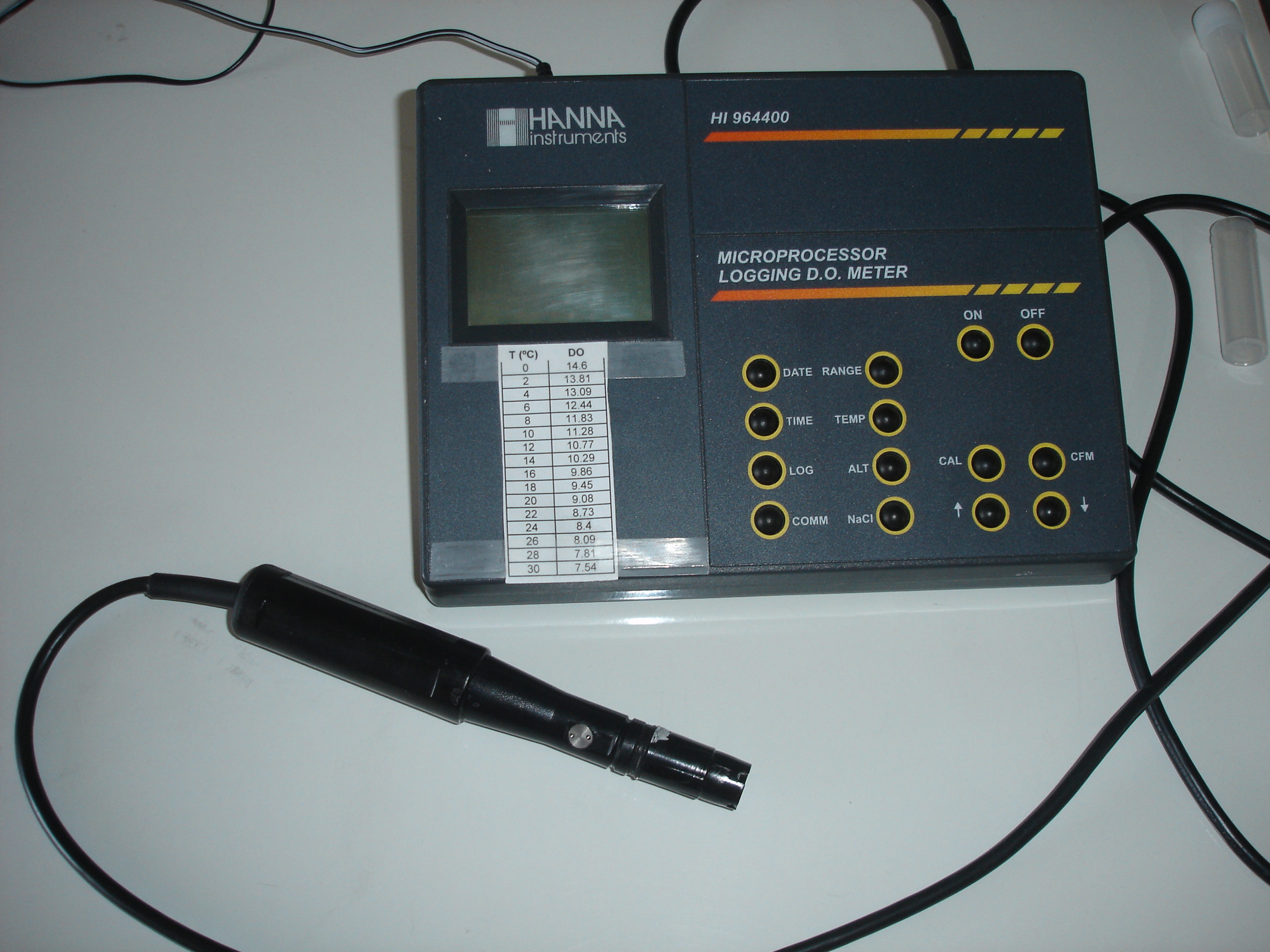
Dissolved oxygen, pH, conductivity, and nutrient concentrations are measured according to DIN EN ISO standards to characterise the physicochemical status of running waters.
The riparian buffer zone — the transitional area between a stream channel and the surrounding terrestrial landscape — is assessed using LAWA's Gewässerstruktur survey method.
EPT taxa, the German saprobie system, and how bottom-dwelling invertebrate communities reflect organic load, oxygen levels, and habitat quality in flowing waters.
Field and laboratory protocols for measuring dissolved oxygen, pH, conductivity, nitrate, and phosphorus in German running waters, referencing applicable DIN EN ISO standards.
Structure and function of riparian zones, the LAWA Gewässerstrukturkartierung survey method, and the role of floodplain connectivity in stream ecology.
The WFD (2000/60/EC) requires member states to achieve good ecological status for all surface waters. Germany implements this through the Oberflächengewässerverordnung (OGewV).
Germany's Saprobie Index classifies water bodies from class I (unpolluted) to class IV (heavily polluted) based on the presence and abundance of indicator organisms.
The Bund/Länder-Arbeitsgemeinschaft Wasser (LAWA) coordinates standardised water quality monitoring across all German federal states, including biological, chemical, and morphological assessment.
Physical habitat surveys (Gewässerstrukturkartierung) document bank stability, substrate diversity, and riparian vegetation to assess hydromorphological status under WFD requirements.